In the world of digital communication, packet burst problems can feel like that one friend who shows up uninvited to a party—unexpected and a bit disruptive. When data packets decide to take a joyride instead of arriving in a neat little line, chaos ensues. Video calls freeze, downloads stall, and online gaming turns into a frustrating test of patience.
Understanding Packet Burst Problems
Packet burst problems occur when data packets enter a communication network in an irregular sequence. These disruptions create significant issues for users, especially during live streaming or online gaming.
Definition of Packet Burst
Packet burst refers to a situation where multiple data packets arrive simultaneously or in quick succession. Such an occurrence disrupts the expected flow of data, causing delays or losses in transmission. When packets are delivered out of order, it results in incomplete information, leading to negative user experiences. Examples include video streams freezing or audio drops during calls. Understanding this concept is crucial for diagnosing network issues effectively.
Causes of Packet Burst Problems
Several factors contribute to packet burst problems. Congestion in the network ranks among the top causes. When bandwidth exceeds capacity, packets clump together, resulting in bursts. Additionally, hardware limitations, such as outdated routers or switches, may struggle to process incoming data efficiently. Environmental factors like faulty cabling or interference from other devices can exacerbate the situation. Network protocols not optimized for real-time communication also lead to increased chances of packet bursts. Identifying these causes is essential for mitigating their impact on digital communication.
Impact on Network Performance
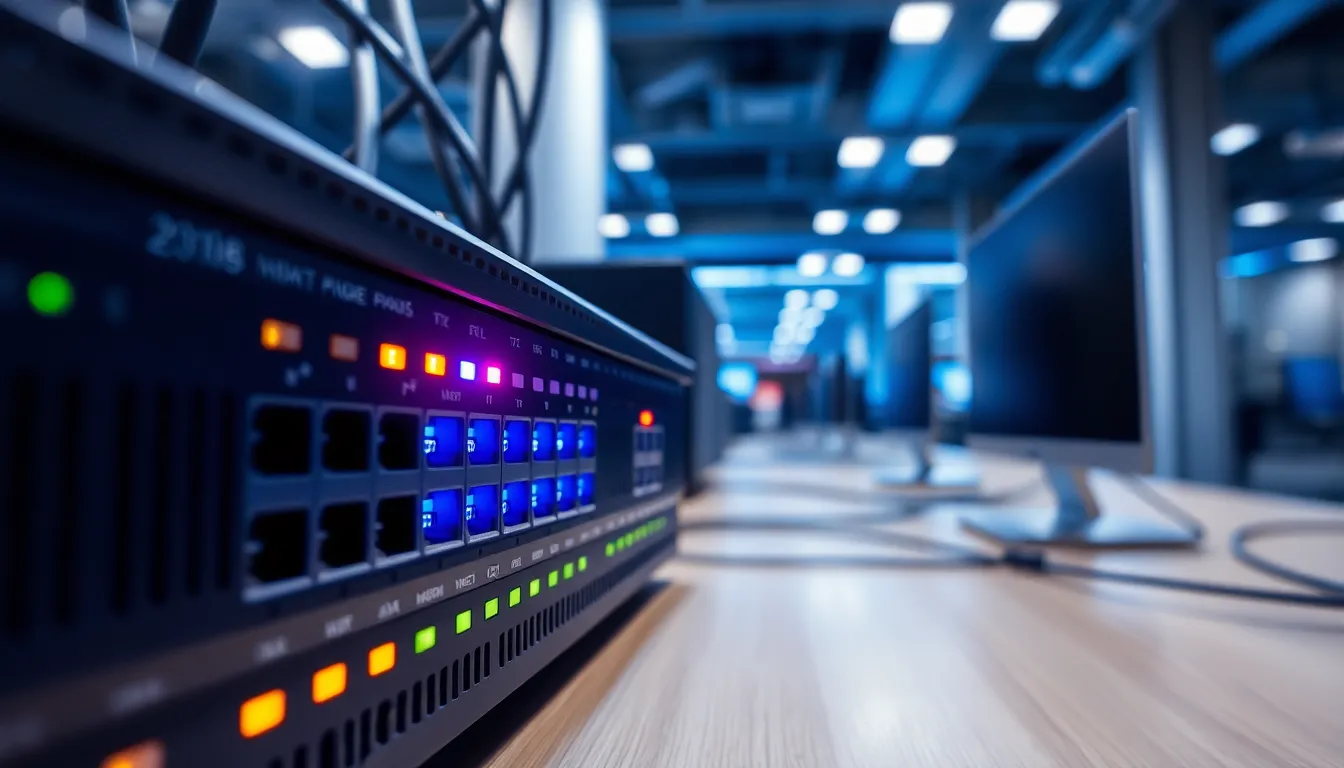
Packet burst problems significantly degrade network performance. These issues trigger various complications, such as increased latency and data loss.
Latency Issues
Latency spikes often result from packet bursts. Increased latency leads to noticeable delays in data transmission, affecting real-time applications like video conferencing. Users experience interruptions in voice clarity and video quality. As data packets arrive inconsistently, the time it takes for information to travel from source to destination increases. During online gaming, high latency can cause lag, forcing players to miss crucial moments. Optimizing the network configuration can reduce these latency issues, ultimately enhancing user experience.
Data Loss Consequences
Data loss frequently accompanies packet bursts. Incomplete data packets disrupt communication, leading to errors and missed information. Applications reliant on real-time data suffer the most. During video streaming, viewers may encounter buffering or dropped streams. In online transactions, data loss can result in incorrect order processing and financial discrepancies. Implementing robust error correction protocols can mitigate these risks, ensuring data integrity and continuity in communication.
Solutions to Mitigate Packet Burst Problems
Packet burst problems can disrupt communication, but several solutions can help mitigate their effects. Implementing effective strategies enhances network performance and provides a smoother user experience.
Quality of Service (QoS) Techniques
Quality of Service (QoS) techniques play a crucial role in managing network traffic. These techniques prioritize specific types of data packets, ensuring that critical applications like video conferencing and online gaming receive the bandwidth they require. By allocating sufficient resources, QoS minimizes latency and enhances overall performance. Network administrators often configure QoS settings based on traffic types, ensuring that voice and video packets are transmitted before less sensitive data, such as email. With proper QoS implementation, packet loss decreases, contributing to a more reliable communication experience.
Buffer Management Strategies
Buffer management strategies help reduce packet burst issues by controlling data flow. Adjusting buffer sizes allows networks to temporarily hold data packets, smoothing out bursts in traffic. When data packets arrive at a high rate, the buffers can absorb excess traffic, preventing packet loss. Additionally, implementing intelligent buffering techniques can prioritize urgent packets, ensuring timely delivery. Effective management of buffer settings is vital for optimizing throughput and minimizing disruptions. By balancing the packet flow, networks can maintain high-quality data transmission even during periods of congestion.
Tools for Monitoring Packet Burst Issues
Monitoring tools play a crucial role in identifying and resolving packet burst problems. Using the right software helps optimize network performance and improve user experience.
Network Monitoring Software
Network monitoring software provides real-time insights into data flow and performance metrics. Tools like Wireshark and PRTG Network Monitor enable users to capture and analyze traffic data. Administrators can detect anomalies, such as sudden spikes in packet transmission that may indicate potential burst issues. Dashboards often visualize key performance indicators, simplifying the identification of network bottlenecks. Insights gathered from this software guide necessary adjustments to ensure smooth data transmission.
Analyzing Traffic Patterns
Analyzing traffic patterns offers valuable information about usage trends and potential packet bursts. Regular review of bandwidth consumption highlights peak usage times when congestion is likely. Identifying specific applications responsible for high traffic enables targeted optimization strategies. Examination of latency metrics reveals correlations between traffic surges and delays in data transmission. This analysis leads to informed decisions on QoS configurations and buffer management, enhancing overall network performance during high-demand periods.
Packet burst problems pose significant challenges in digital communication. The disruption they cause can lead to frustrating experiences for users relying on real-time applications. By understanding the underlying causes and implementing effective solutions such as QoS techniques and buffer management, network performance can improve considerably.
Monitoring tools play a crucial role in identifying these issues before they escalate. With the right strategies in place, it’s possible to enhance data flow and ensure a smoother user experience. Addressing packet burst problems is essential for maintaining seamless communication in an increasingly connected world.