The gaming world is buzzing with speculation about what’s next for Call of Duty. Every year, franchise enthusiasts and casual players alike wait for that official announcement, the teaser, the reveal trailer, the promise of new maps, weapons, and multiplayer chaos. If you’re hunting for details about the next Call of Duty title, you’ve landed in the right place. This guide breaks down everything we know so far, from leaked details and industry whispers to what the franchise has historically delivered. Whether you’re planning your next gaming investment or just curious about the industry’s biggest shooter franchise, we’ll walk you through expectations, confirmed features, platform availability, and what competitive gaming looks like moving forward.
Table of Contents
ToggleKey Takeaways
- The next Call of Duty is expected to launch in November 2026 with Treyarch leading development and a focus on refinement over revolutionary gameplay changes.
- Activision is prioritizing community feedback through councils and extended beta testing to address complaints about weapon balance, map design, and seasonal content disconnect.
- The game will feature cross-platform support across PS5, Xbox Series X|S, and PC with performance targets of 120fps at 1440p or 60fps at 4K, plus improved anti-cheat systems to combat cheating.
- Multiplayer modes will retain core formats like Team Deathmatch and Search and Destroy, while introducing new PvE operations and improved map design philosophy with better sightline management.
- Cosmetics and battle passes will adopt a more player-friendly monetization model with reduced FOMO, rotating cosmetics, and free progression tracks to avoid penalizing casual players.
- Call of Duty League integration and professional esports support will include dedicated competitive modes, spectator tools, and improved balance coordination between casual and competitive play.
What We Know So Far About The Next Call Of Duty Title
Official Announcements And Release Expectations
Activision traditionally keeps its cards close to the vest until the official reveal, but industry insiders and leaks have painted a clearer picture in recent months. The next Call of Duty installment is expected to launch sometime in late 2026, following the franchise’s annual release cadence that’s been consistent for years. While an exact date hasn’t been officially confirmed, November typically marks the franchise’s traditional launch window.
Activision has been coy about major gameplay overhauls, but statements from leadership suggest the next title will focus on refinement over revolution. The company acknowledged player feedback from recent entries and pledged to deliver a more balanced experience. Official teasers should drop within the next few months, giving us clearer insight into campaign settings, multiplayer features, and what new mechanics are coming.
Leaks from reliable gaming journalists suggest the game will keep the streamlined naming convention, possibly dropping the subtitle entirely or keeping it minimal. This fits Activision’s recent strategy of treating each release as a fresh entry rather than a numbered sequel. But, you’ll want to take pre-release rumors with a grain of salt until official channels confirm details.
Development Studio And Publishing Details
Treyarch is expected to lead development on the next Call of Duty, a studio with a stellar track record on the franchise. Infinity Ward and Sledgehammer Games will likely contribute to post-launch content, seasonal updates, and support, this collaborative approach has become standard across Activision’s major franchises.
Publishing duties remain with Activision, which continues to manage the franchise across all platforms. This means players can expect the same quality assurance standards, cross-platform support, and seasonal content pipeline the franchise has become known for. The development team’s focus is reportedly on delivering stable launch conditions and robust anti-cheat systems, a direct response to community complaints about cheaters plaguing recent entries.
The Evolution Of The Call Of Duty Franchise
From Traditional Multiplayer To Battle Royale Integration
Call of Duty’s identity has shifted dramatically over the past few years. The franchise started as a pure multiplayer shooter, evolved into a three-pillar experience with campaign, multiplayer, and Zombies, and then integrated battle royale through Warzone. The next installment will undoubtedly build on this foundation, but the exact structure remains unclear.
Warzone’s integration, whether as a standalone component or embedded within the main title, shapes expectations. Recent Warzone seasons have tested new mechanics, map designs, and weapon balancing that likely preview what’s coming. If history repeats, the next Call of Duty will feature seasonal content that pushes both traditional multiplayer and battle royale forward simultaneously. Some insiders speculate Warzone might receive a full reboot alongside the new title, giving it fresh mechanics and map design to match the base game.
Battle royale integration also influences monetization and player retention strategies. Free-to-play access for the BR mode drives engagement, while premium multiplayer access via the main game purchase creates revenue. This dual-funnel approach has proven lucrative and is unlikely to change.
Player Feedback And Series Direction
The gaming community has been vocal about what they want from the franchise. Common complaints center around overpowered weapons, map design that favors specific playstyles, and seasonal content that feels disconnected from multiplayer balance changes. Activision has publicly acknowledged these concerns and signaled a shift toward community-first development.
Community councils have been introduced in recent titles to gather player input directly. These councils now influence everything from weapon tuning to map selection in competitive playlists. The next Call of Duty is expected to expand this feedback loop, possibly including beta testing windows that run longer and involve broader player demographics.
Another key direction: reducing FOMO (fear of missing out) in cosmetic offerings. Players have criticized limited-time bundles and battle pass systems that punish casual players. The next title might introduce a more forgiving cosmetic rotation and accessibility-focused battle pass structure. Also, the franchise seems committed to improving matchmaking algorithms, particularly in ranked modes where skill-based matchmaking (SBMM) has proven controversial.
Expected Features And Gameplay Innovations
Campaign Storyline And Setting Predictions
Call of Duty campaigns have ranged from Cold War espionage to modern-day conflicts to alternate timelines. The next installment’s campaign setting remains speculative, but industry speculation points toward either a return to a modern-day conflict scenario or a near-future setting that allows creative weapon design flexibility.
Campaign missions have historically pushed technical boundaries, showcasing cutting-edge graphics and cinematic storytelling. You can expect the same approach here, large-scale set pieces, memorable characters (possibly building on iconic figures like Captain Price), and story beats that justify multiplayer maps and lore. Some leaks suggest the campaign might feature more player choice in mission objectives compared to previous linear entries, though this hasn’t been confirmed.
The estimated campaign length should remain around 5-7 hours for a single playthrough, consistent with recent franchise entries. Replayability incentives, collectibles, alternate paths, hidden achievements, are likely to encourage multiple runs. Given the push for community engagement, expect the campaign narrative to tie directly into seasonal multiplayer content and lore updates.
Multiplayer Modes And Map Design Trends
Core multiplayer modes, Team Deathmatch, Domination, Search and Destroy, Hardpoint, and Control, should return in familiar forms. But, map design philosophy is evolving. Recent Call of Duty entries have faced criticism for maps that feel too large or too cramped depending on the mode. The next title should address this with better sightline management and flow that adapts to different player counts.
Expect 6v6 to remain the standard for casual playlists, with 2v2 and 3v3 modes for tactical gameplay. 12v12 and larger formats might return for objective-focused modes. Community feedback has pushed for map variety, you’ll likely see a mix of tight, close-quarters maps alongside larger engagements areas to support different weapon archetypes and playstyles.
New modes are almost certainly coming. Recent franchise trends suggest Activision will introduce mechanics that blur the line between traditional multiplayer and battle royale or PvE-focused experiences. Leaks hint at PvE operations similar to Warzone Zombies, giving team-based co-op content a dedicated space. These modes should integrate with seasonal content, making them feel fresh every few weeks.
Weapon Arsenal And Customization Systems
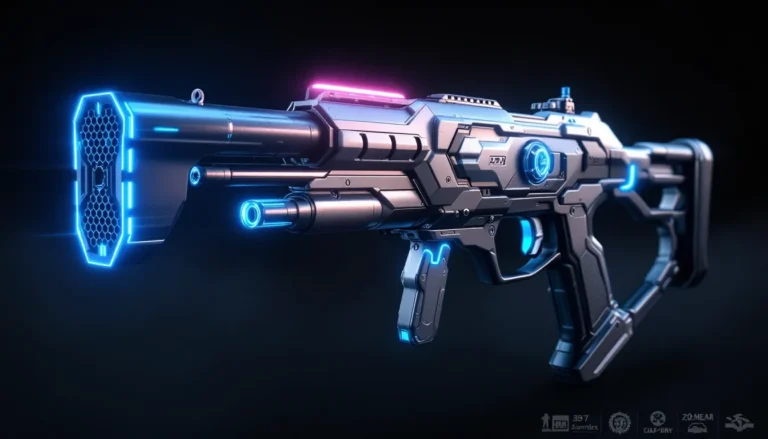
The weapon sandbox is crucial to Call of Duty multiplayer longevity. The next title will launch with a strong arsenal covering assault rifles, SMGs, sniper rifles, shotguns, and specialty weapons. But, the real innovation lies in customization depth and balance.
Recent weapon tuning data suggests the franchise is moving toward more defined weapon roles. An assault rifle shouldn’t out-perform a sniper at range, and an SMG shouldn’t dominate mid-range engagements. The next title should improve this balance philosophy with more granular damage models and attachment effects. Expect attachment customization to remain deep, barrel options, stock types, ammunition conversions, and optics that genuinely change how a weapon behaves.
One emerging trend is “realistic” customization constraints. Rather than letting players slap any attachment combo onto any weapon, the next game might enforce more realistic limitations. For example, heavy barrels might reduce ADS speed more noticeably, or extended mags might increase reload times. This promotes loadout strategy without limiting creative builds.
Weapon balancing patches should ship more frequently post-launch, with clear patch notes explaining reasoning. The franchise has improved communication on this front, and players expect transparency on meta shifts and whether certain weapons are receiving buffs or nerfs based on usage data or competitive feedback.
Platforms And Technical Specifications
PC, Console, And Cross-Platform Support
The next Call of Duty will launch across PC (Steam and possibly Battle.net), PlayStation 5, and Xbox Series X
|
S. Last-generation console support (PS4, Xbox One) is uncertain, Activision has been gradually phasing out older hardware, and a new title launching in 2026 might skip last-gen entirely. This decision would allow developers to push graphical fidelity and performance without legacy hardware constraints.
Cross-platform play remains non-negotiable at this point. Players expect to queue with friends regardless of their platform. The only variable is how Activision structures cross-play in ranked modes. Competitive playlists might restrict cross-play or offer “input-based” matchmaking to ensure mouse-and-keyboard players don’t face controller players in ranked environments. But, casual playlists should maintain full cross-play support.
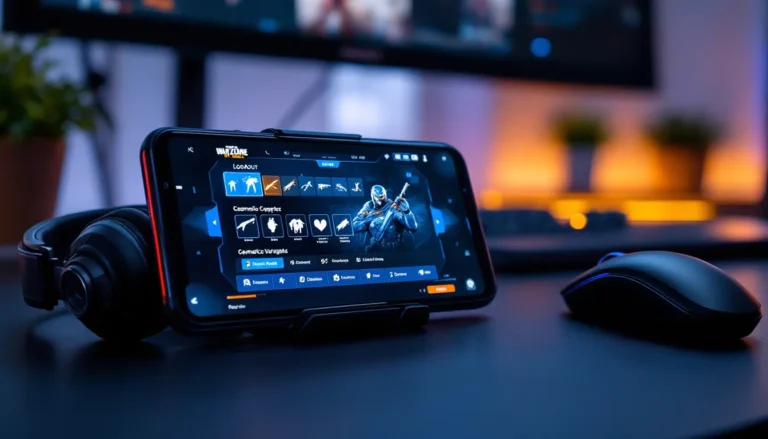
Mobile remains a question mark. Call of Duty Mobile maintains an active player base, but whether the next mainline title gets a dedicated mobile companion or ties into existing mobile offerings is unclear. If a mobile version launches, it’ll likely follow the free-to-play model with cosmetic monetization, separate from the premium console and PC experience.
Performance Targets And Graphics Enhancements
PS5 and Xbox Series X players expect 120fps at 1440p or 1080p, or 60fps at full 4K. The next title will almost certainly offer multiple performance modes, a “performance” mode prioritizing frame rate and a “fidelity” mode prioritizing visual quality. The franchise has set this standard, and players won’t accept regression.
Graphical enhancements should include improved ray-traced lighting, more detailed environmental destruction, and higher-quality textures across maps. Modern gaming engines like Unreal Engine 5 (which Call of Duty isn’t confirmed to use, but competitors are adopting) demonstrate what’s possible in 2026. Even using an updated version of the current engine, developers should deliver noticeable visual improvements over recent entries.
PC performance scalability remains critical. Ultra-wide monitor support, variable frame rate targets (144fps+), and DLSS or FSR upscaling options should all be present. PC players are a core audience, and the franchise has earned a reputation for solid PC optimization. That track record should continue, though post-launch patches often iron out initial performance issues.
Load times should benefit from SSD technology. Fast travel to menus, map loading, and seasonal content downloads should feel snappy. The franchise has already impressed on this front with PS5, and the next title should maintain that standard across platforms.
Pricing Model And Monetization Strategy
Expected Cost And Season Pass Structure
The next Call of Duty will likely retail for $69.99 USD on console, matching current AAA pricing. PC might launch at a similar price point or slightly lower depending on Activision’s strategy. If a deluxe edition exists, expect a $79.99 or $89.99 price tag with cosmetic bonuses and early battle pass access.
Season passes as a standalone purchase are mostly defunct. Instead, Activision bundles seasonal content into the main experience. New seasons should roll out every 6-8 weeks with new maps, weapons, cosmetics, and balance changes. A free track in the battle pass ensures players who don’t spend additional money still progress and earn cosmetics, though at a slower pace than premium battle pass holders.
You won’t need to purchase additional content to remain competitive. Weapons should be unlockable through gameplay, and balance updates apply to everyone equally. Cosmetics remain the primary monetization lever, skins, weapon blueprints, and finishing moves that are purely aesthetic don’t grant gameplay advantages.
Battle Pass And Cosmetic Items
The battle pass structure should mirror recent entries: a free track and a premium track (likely $9.99 per season). The premium track offers faster progression, exclusive cosmetics, and weapon blueprint variants. Progression should feel rewarding, casual players completing daily and weekly challenges should finish the free pass without excessive grinding.
CosmeticBundle pricing is expected to range from $5 to $25 depending on inclusions. A weapon blueprint bundle might cost $12-15, while a character skin bundle could hit $20. These prices are aggressive, and player sentiment has shifted toward demanding more value per cosmetic. Activision has responded by including more items in bundles and rotating cosmetics to reduce FOMO pressure.
Limited-time cosmetics will still exist, but the franchise should balance this with a rotation of “back-catalog” items. Players who missed a seasonal cosmetic shouldn’t feel permanently locked out, Activision can reintroduce old items in future seasons, softening the FOMO mechanic that’s frustrated players.
Event-specific cosmetics tied to real-world sports, movies, or pop culture tie-ins are guaranteed. Call of Duty has successfully partnered with franchises like Star Wars and DC Comics. The next title should continue these collaborations, offering cross-media cosmetics that appeal to both gaming and entertainment fans. These collaborations are typically handled with sensitivity to avoid cosmetics that break game immersion or feel tone-deaf.
Competitive Gaming And Esports Integration
Ranked Multiplayer And Competitive Features
Ranked modes should return with refined matchmaking and transparency improvements. The franchise’s current skill-based matchmaking (SBMM) system is controversial, casual players complain about sweaty matchups, while competitive players appreciate consistent competition. The next title should maintain SBMM but offer a more explicit ranking system that clearly shows progression.
Expect a seasonal ranked ladder with leagues or divisions similar to Overwatch or CS:GO. Players climb from Bronze to Platinum or Diamond, with seasonal resets that slightly reset rank to encourage re-engagement. Ranked cosmetics, animated weapon blueprints, operator skins, and card cosmetics, reward high-ranking players without providing gameplay advantages.
An anti-cheat overhaul is essential. Recent Call of Duty entries have suffered from cheaters, particularly in Warzone. The next title must launch with robust anti-cheat like Ricochet, implemented franchise-wide from day one. This includes hardware bans for repeat offenders, cross-title detection, and frequent updates to counter new cheating methods.
Team-based competitive features should be integrated directly into the multiplayer experience. Clan systems, team leaderboards, and private match tooling give competitive communities the infrastructure they need. Platforms like Discord integration for team management and tournament scheduling increase engagement and retention among hardcore players.
Professional League Support And Tournament Infrastructure
The Call of Duty League (CDL) represents the franchise’s esports commitment, and the next title must support professional play seamlessly. Spectator tools, multiple camera angles, real-time stats overlays, and customizable HUD options, enable broadcasters to produce compelling content. The next game should feature a dedicated esports mode with locked settings and weapon balancing separate from casual multiplayer.
Activision has proven its esports commitment through the CDL, and that investment should pay dividends in 2026. Professional teams, franchises, and tournament organizers need game updates coordinated with competitive seasons. Balance changes affecting tournament play should include feedback from pro players. The 2026 season of the CDL, which will overlap with the game’s launch, depends on stable competitive ruleset and consistent updating.
Third-party tournament support is equally important. Amateur esports platforms like ESL, BLAST, and local competitive circuits rely on robust matchmaking, replay features, and tournament brackets within the game client. Built-in tournament tooling reduces friction for amateur competitors and expands the competitive base beyond the professional CDL.
Significant revenue sharing from cosmetics or tournament entry fees with professional players and teams could increase incentive alignment. If Activision shares a portion of battle pass revenue or cosmetic sales with esports organizations, it creates sustainable ecosystem funding beyond traditional franchise fees. Industry trends suggest this direction, though official details haven’t surfaced.
One area for improvement: better integration between Call of Duty Modern Warfare weapons balance and competitive play. Current systems sometimes feature different weapon bans in competitive versus casual, refinements to the balancing pipeline could eliminate these discrepancies, making the game feel more cohesive across all contexts.
Community Expectations And Industry Trends
What Gamers Want From The Next Title
Community sentiment centers on several core desires. Players want a return to fundamentals, tight gunplay, fair map design, and balanced weapon tuning. Recent entries have felt janky by comparison to classic Call of Duty, and nostalgia for the franchise’s golden era (Modern Warfare 2 era) runs deep. While the next title won’t (and shouldn’t) be a straight remake, honoring what made those games special resonates with the player base.
Transparency ranks high. Players want to understand why balance decisions are made, which weapons are overperforming, and how player data informs updates. Regular community updates with specific patch reasoning, “sniper rifles are performing 2% above target TTK, so we’re reducing damage by 2 points”, build trust. Activision has improved here, but consistency and frequency matter.
Accessibility features are non-negotiable. Colorblind modes, remappable controls, audio cues for visual information, and difficulty options for campaign give players agency over their experience. The next game should build on recent accessibility improvements and potentially exceed them. Industry leaders like Helldivers 2 and Baldur’s Gate 3 have set high bars that players expect shooters to meet.
Anti-cheat remains the elephant in the room. Cheaters plague multiplayer, and “I hate playing this game because of hackers” is a recurring complaint. Ricochet has improved things, but dedicated resources toward detection, banning, and education could shift perception. Regular ban waves with transparency, “we banned 50,000 accounts this week”, demonstrate commitment.
Finally, players want respect for their time. No battle pass bloat where 90% of cosmetics are filler. Map rotations that don’t stale after a week. Seasonal content that feels like actual new features, not recycled old cosmetics. If developers prove they’re listening and iterating based on feedback, retention skyrockets.
How The Next Call Of Duty Fits Into The Broader Gaming Landscape
Call of Duty faces increasing competition from other franchises. Destiny 2 dominates the seasonal live-service space, Overwatch 2 offers team-based competitive depth, and battle royales like Fortnite and Apex Legends have fragmented the market. The next Call of Duty must clearly differentiate itself, exceptional gunplay, streamlined design, and respectable cosmetics are table stakes.
Industry trends point toward cross-game progression and cosmetics, though implementing this across franchises (and competing publishers) remains thorny. Still, players increasingly expect their cosmetics and progression to feel tied to their identity rather than a single game’s account.
Live-service maturity has reached a point where players judge games harshly if update cadence slows or content quality drops. Free-to-play games like Warzone have conditioned players to expect constant new cosmetics, weapons, and challenges. The next title must maintain aggressive seasonal roadmaps to remain compelling.
Cross-media collaboration is now expected. Movies, TV shows, sports, and other entertainment franchises partnering with games create cultural moments. Call of Duty’s previous collaborations with franchises like Star Wars set precedent. The next title should continue this trend, with surprise partnerships announced throughout the year to drive engagement spikes.
Generationally, the next Call of Duty serves both longtime veterans and players discovering shooters for the first time. On-boarding new players with better tutorials, progression systems that feel fair at all skill levels, and cosmetic pricing that doesn’t gatekeep aesthetics ensures the game remains accessible. Industry reporting from outlets like IGN and Game Informer will emphasize new player friendliness when the game launches, so this focus directly impacts review scores and early reception.
Platform parity remains crucial. PC, console, and mobile players expect balanced treatment. Historically, Call of Duty on PC has felt like a secondary platform. The next title must prioritize PC equally, same cosmetics, same events, same competitive opportunities. This inclusivity expands the addressable market and keeps the community cohesive across platforms.
One final trend to watch: player agency in content creation. Recent games increasingly enable players to create custom campaigns, tournaments, and cosmetics. Robust map editors, cosmetic creators, and tournament tools transform players into content creators, extending game lifespan and community engagement far beyond developer-created content alone. The next Call of Duty should explore these avenues, though they haven’t been officially confirmed.
Conclusion
The next Call of Duty in 2026 arrives at a pivotal moment for the franchise. Players hunger for a return to fundamentals, solid gunplay, fair map design, and transparent development. Activision has the talent, resources, and historical precedent to deliver. If the franchise honors community feedback, maintains anti-cheat standards, and commits to a robust seasonal roadmap, expectations should be met or exceeded.
Industry coverage from publications tracking the space will intensify as launch approaches, but the real verdict comes from players. Day-one updates, player counts, retention curves, and community sentiment will determine whether this entry revitalizes the franchise or represents another incremental step. The foundation exists for something special, execution is what separates memorable releases from forgotten ones.
Stay tuned as official announcements roll out. For deeper dives into specific franchises and titles, Video Games Chronicle offers industry tracking and exclusive reporting. Meanwhile, Call of Duty for PS5: Unleashing the Ultimate War Experience provides context on how the franchise performs on current-gen hardware. Whether you’re a competitive grinder, casual campaign player, or live-service enthusiast, the next Call of Duty promises to deliver something worth your attention when it launches this year.