Whether you’re a hardcore Call of Duty fan wanting to channel your passion into art or a casual gamer picking up a pencil for the first time, drawing Call of Duty characters and weapons taps into something special about the franchise. The intricate operators, detailed gear, and instantly recognizable firearms have made Call of Duty drawing one of the most popular niches in gaming fan art communities. From quick sketches to fully rendered illustrations, there’s something uniquely satisfying about translating the tactical intensity of the game onto paper or a digital canvas. This guide walks you through everything you need to know, whether you’re interested in call of duty drawing easy methods or tackling more advanced techniques that’ll make your work stand out.
Table of Contents
ToggleKey Takeaways
- Call of Duty drawing taps into the franchise’s iconic operators and weapons, connecting players to gameplay memories and competitive experiences while building a strong fan art community across social platforms.
- Essential supplies for call of duty drawing include quality graphite pencils (HB to 8B), mixed-media paper (100gsm minimum), blending tools, and either digital software like Procreate or Clip Studio Paint—with consistent practice mattering more than expensive equipment.
- Master operator proportions using head-based measurements (7-8 heads tall), capture facial features with precise eye and mouth placement, and layer tactical gear naturally on the body to create believable character designs.
- Weapon accuracy separates casual fan art from credible illustrations—study in-game references, break weapons into basic shapes, and include mechanical details like charging handles and magazine variations that players instantly recognize.
- Dynamic composition, dramatic lighting, and environmental context elevate your work beyond static poses, while avoiding common pitfalls like oversized heads, floating gear, and unfocused backgrounds ensures your call of duty drawing resonates with the community.
- The Call of Duty art community celebrates all skill levels on platforms like Reddit, Instagram, and ArtStation—start simple with single operator heads and build progressively, sharing your progress to accelerate growth and connect with thousands of passionate artists.
Why Call Of Duty Art Resonates With The Gaming Community
Call of Duty has always been more than just a game, it’s a cultural touchstone for millions of players. The franchise’s operators, with their distinct tactical gear and fierce expressions, have become iconic figures in gaming. When you draw these characters, you’re capturing more than just likeness: you’re tapping into the personality, attitude, and warfare aesthetic that defines the series.
The weapons themselves carry similar weight. A properly rendered M4 Carbine or MP-40 isn’t just a gun: it represents the loadout choices, the competitive meta, and countless hours of gameplay. This is why Call of Duty fan art has such a strong following, every sketch connects to memories, clutch moments, and the competitive spirit of the game. The community shares these drawings across Reddit, Twitter, and Instagram, celebrating both beginner attempts and professional-level work.
Drawing Call of Duty fan art also serves a practical purpose for players themselves. Understanding weapon anatomy helps you internalize the visual feedback during gameplay. Sketching operator designs deepens your appreciation for character customization options. It’s not just creative expression: it’s another way to engage with the franchise you love. Whether it’s call of duty drawing easy sketches for fun or detailed illustrations for portfolio work, the community embraces all skill levels as part of the creative dialogue around the game.
Essential Supplies For Drawing Call Of Duty Characters
Before you start sketching operators or weapons, having the right tools makes a massive difference. You don’t need to expensive, but quality supplies will keep you from getting frustrated early on. The good news? You can start with basics and upgrade as your skills improve.
Pencils, Paper, And Blending Tools
For traditional drawing, start with a range of graphite pencils. You’ll want HB for general sketching, 2B-4B for mid-tones and shading, and 6B-8B for deep blacks and dramatic shadows. Call of Duty operators often wear dark tactical gear, so those darker grades are essential for capturing that military aesthetic. When sketching facial features, which are crucial for operator portraits, a mechanical pencil with 0.7mm lead keeps your lines clean and precise.
Paper matters more than beginners realize. Standard printer paper won’t cut it if you’re planning detailed work. Grab a mixed-media sketchpad or dedicated drawing pad with at least 100gsm (60lb) weight. Brands like Strathmore, Canson, or Blick house brands are solid mid-range options. These papers handle erasing without tearing and won’t pill when you blend.
For blending, you’ve got options. Blending stumps (also called tortillons) let you smooth graphite with precision, perfect for subtle transitions on skin tones. Kneaded erasers are your best friend: they lift graphite cleanly without damaging the paper. A regular eraser works too, but kneaded erasers give you more control. Add a white vinyl eraser for sharper corrections.
One tool that’s underrated: a viewfinder. Cut a small rectangle from cardboard with dimensions matching your intended drawing. Hold it up to your reference image to frame exactly what you’re drawing. This prevents the “off-proportion” feeling many beginners struggle with.
Digital Drawing Tools And Software
If you’re going digital, you’re looking at two main setups: tablet-based or a full pen display.
Tablet Options: An iPad with Procreate ($12.99 one-time purchase) or an Android tablet with Clip Studio Paint (subscription or one-time) handles Call of Duty art beautifully. If you’re on PC, a Wacom One or XP-Pen pen tablet (around $50-100) pairs with free software like Krita or paid options like Clip Studio Paint ($50-150 depending on plan). You don’t need a $300 display tablet to start: mid-range pen tablets work fine while you’re learning.
Software Matters: Procreate dominates for iPad users because of its brush library and smoothing algorithms, perfect for clean operator linework. For PC, Clip Studio Paint offers industry-standard tools used by professional comic and game artists. It includes symmetry tools (brilliant for armor and weapon design), perspective rulers, and 3D model imports. Photoshop works but feels bloated for pure drawing: it’s better for post-processing finished art.
Brushes are critical. Most software comes with decent defaults, but downloading community-made brushes tailored for comic/game art elevates your work. Search for “ink brushes” and “texture brushes” specific to your software. Call of Duty art benefits from sharp, high-contrast brushes for linework and textured brushes for fabric and metal.
Start with whatever feels accessible, traditional or digital, doesn’t matter. Many artists jump between both depending on the project. The tool matters far less than consistent practice.
Step-By-Step Guide To Drawing Call Of Duty Operators
Drawing a recognizable operator goes beyond just copying a reference. You’re breaking down structure, understanding proportion, and translating 3D game models onto 2D paper. Here’s the methodical approach.
Breaking Down Facial Proportions And Features
Start with a head construction. Draw a circle for the cranium, then add a line straight down the center (this ensures symmetry). Draw a horizontal line across the middle, eyes sit roughly on this line. Below that, add guidelines for nose placement (roughly one-third of the way down) and mouth (another third lower).
Call of Duty operators have distinct facial characteristics. Some like Captain Price (check out the guide on Call of Duty Captain Price for reference) sport heavy scarring or weathered features. Others like newer female operators have sharper cheekbones and determined expressions. Use your reference image to note these specifics.
When sketching eyes, remember they’re not simple circles. The upper eyelid overlaps the iris: the lower lid sits above it. Leave a thin highlight line, that’s what makes eyes feel alive. For operators wearing sunglasses or goggles, get the frame geometry right: even though you’re not drawing the eye, the frame shape tells the story.
Nose anatomy is subtle but matters. A nose isn’t a detailed shape, it’s mostly shadow and highlight. Mark the bridge (usually a light line), the nostril shadows (darker), and the underplane. Call of Duty operators often have strong, masculine or determined-looking noses. Don’t overthink it: suggest rather than fully render.
Mouths vary wildly. Some operators have barely-visible lips under stubble or facial hair. Others have prominent features. If there’s stubble, light crosshatching suggests the texture without looking sloppy. Pay attention to the mouth’s position relative to the chin, this varies per operator and affects their expression.
Capturing Tactical Gear And Combat Equipment
This is where Call of Duty art separates from standard portrait drawing. The gear is part of the character.
Start with a basic figure underneath, shoulders, ribcage, pelvis. Then layer the tactical elements: body armor plates, magazine pouches, radio equipment, webbing, and straps. Reference your in-game operator model or concept art closely here. The MOD (Modular Ordnance Deployment) system in recent titles means operators have interchangeable pieces, so choose a specific loadout from the game.
Helmets are complex. Whether it’s a baseball cap, tactical helmet, or balaclava, the shape sitting on the head affects overall proportions. Draw lightly first: if the helmet looks oversized or too small, erase and adjust. For detailed helmets with visors or night vision mounts, use rulers for hard edges and focus on shadow placement.
Tactical webbing and straps create visual interest. Rather than drawing every single strap perfectly, suggest them with line weight variation, darker, heavier lines for edges that catch light, lighter lines for recessed areas. Ammo pouches aren’t featureless rectangles: they have depth, folds, and sometimes visible rounds.
Weapons are covered in the next section, but when the operator is holding a gun, pay attention to hand positioning and how their body relates to the weapon’s weight and angle. Hands are notoriously difficult, but studying a few reference images of tactical grips helps immensely.
Adding Realistic Lighting And Shadows
Lighting transforms a flat sketch into a believable character. Most Call of Duty promotional art uses dramatic side or top lighting that emphasizes tactical gear and facial definition.
Define your light source before rendering. Is light coming from top-left, creating shadows on the right side of the face and body? This directional consistency makes the whole image read better. Mark your shadow areas lightly before committing to shading.
For skin tones (whether in color or grayscale), use mid-tone values first, then layer shadows. Avoid pure black shadows on faces, instead, use a darker version of the mid-tone. This keeps skin looking natural rather than harsh. The eye sockets, under the chin, and neck shadows are usually the darkest areas on a face.
On tactical gear, shadows pool in recesses and folds. A bullet pouch has shadow underneath each round. Armor plates cast shadows on the magazine pouches below them. Metal equipment reflects light differently than fabric: metal gets sharper highlights and more dramatic contrast. Study reference images to see how different materials read.
For highlights, use white strategically. Too much and the image looks blown out. The brightest whites go on focal points, often the eyes and prominent facial features. Secondary highlights land on sharp edges of gear that catch light. Darkest darks, brightest lights, best contrast = focal point. This principle guides where you spend detail work and lighting effort.
How To Illustrate Call Of Duty Weapons And Loadouts
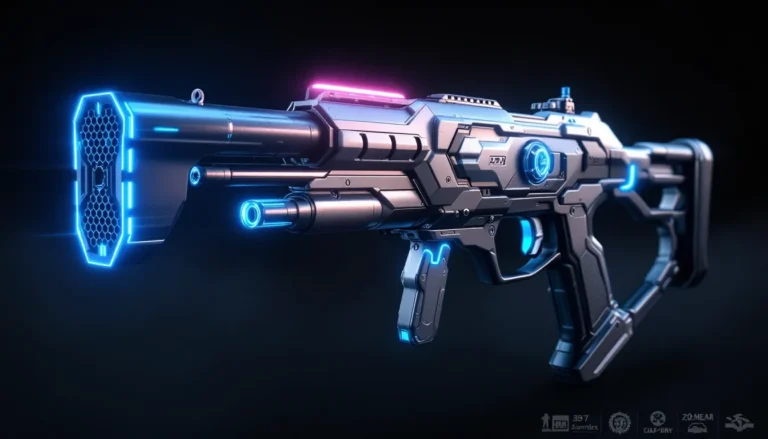
Drawing weapons accurately matters to the Call of Duty audience. Players recognize an AK-74 versus an AK-12 at a glance. Getting these details right shows respect for the game and builds credibility in the community.
Structural Accuracy And Mechanical Details
Start by studying the specific weapon in-game. Fire it, equip it, look at it from different angles. Take screenshots. Watch videos of real-world firearms if you want reference (channels like Forgotten Weapons on YouTube provide excellent mechanical breakdowns). Your goal isn’t to be a weapons expert, but to understand the major components.
Break the weapon into simple shapes first: barrel (cylinder), receiver (box-like), stock (another shape extending backward), grip, magazine. Sketch these shapes lightly, getting proportions right before adding detail. An assault rifle’s barrel shouldn’t be as thick as a sniper rifle’s. A carbine is visibly shorter than a full-length rifle.
Once the silhouette feels right, add mechanical details. Charging handles, dust covers, rail systems, optic mounts, these define whether it’s recognizable. Don’t draw every tiny screw: suggest detail through line weight. A detailed receiver might have 8-10 key lines showing internal geometry and mounting points. That’s often enough without looking cartoony.
Magazines are crucial visual elements. In Call of Duty, magazines vary by weapon class. A 9mm SMG magazine is compact and blocky: an assault rifle magazine curves slightly and holds more rounds. If your operator is holding the weapon with a magazine visible, accuracy here matters. Show the magazine well, the curve, the follower spring visible inside if exposed.
Optics and attachments deserve attention too. If your operator is running a red dot sight, the optic should match something from the game’s attachment list. An ACOG scope looks entirely different from an AK-12’s hybrid sight. These aren’t just decorative: they tell viewers what loadout this operator is using.
One technique many artists miss: negative space. Don’t fill every gap with detail. Leave some areas simplified to draw the eye toward complex areas. If you’re spending detail on the upper receiver, maybe the stock gets less attention. This creates visual hierarchy and stops the weapon from looking cluttered.
Creating Dynamic Weapon Poses
A weapon pointing directly at the viewer is static and boring. Position it with energy, diagonal angles, foreshortening, or angled toward a target creates visual interest.
If the operator is aiming, the weapon angles slightly upward. If they’re in a ready position (lowered), it points down. Sprinting-style holds show looser posture. This variation matters for Call of Duty drawings because these poses directly reference gameplay animations players recognize.
When illustrating weapons at angles, pay attention to foreshortening. A barrel pointing toward you looks shorter than its actual length. Perspective lines help: light construction lines from the weapon’s central axis help you judge angles correctly. This is where digital drawing tools with perspective grids shine, but traditional artists can sketch a center line and build around it.
Shadows on weapons add dimension. Cylindrical barrels have a highlight running down one side and shadow on the other. Flat surfaces like the receiver get harder shadow edges. Metal reflects the environment, so if your operator is outdoors, cooler tones might appear in shadows. If indoors under warm lighting, warm shadows feel more natural.
Magazines hanging from a vest or held in off-hand demand the same attention as the primary weapon. A player recognizes the loadout instantly if secondary magazines are correctly drawn. Even a small detail like the right magazine shade or pouch color can make the difference between a casual sketch and professional fan art.
For inspiration, professional esports players’ gear and competitive Call of Duty setups show real-world gear arrangements that feel authentic, even if the game exaggerates some proportions.
Advanced Techniques For Call Of Duty Fan Art
Once you’re comfortable with basic operator and weapon drawing, pushing into advanced territory separates your work from casual fan art.
Dynamic Action Poses And Composition
A single standing operator is fine, but a dynamic action pose, breaching, taking cover, mid-reload, tells a story and captures the intensity of Call of Duty.
Start with gesture drawing. Before worrying about accuracy, sketch loose lines showing the operator’s motion and energy. Is their weight shifted forward (aggressive)? Leaning back (defensive)? Twisted mid-turn? A loose gesture sketch takes 30 seconds and sets the tone for the entire piece.
Once gesture feels right, add structure: skeleton, basic shape blocking for the body, then detail. This approach prevents stiff, anatomically correct but boring poses.
Composition matters enormously. The rule of thirds applies here: place your focal point (usually the operator’s face or weapon) at an intersection point within a 3×3 grid of your canvas. This creates visual interest. A centered character is less engaging than one positioned asymmetrically.
Line of sight is critical. Where is the operator looking? Their gaze draws the viewer’s eye. If they’re looking off-frame, viewers unconsciously wonder what they’re looking at, creating narrative tension. This technique is used extensively in Call of Duty promotional art, operators rarely stare directly at the camera: they look off with intensity.
Multiple characters add complexity but immense payoff. Imagine two operators in a squad pose, one covering the other or standing back-to-back. Overlapping figures, varied heights, and different poses create visual rhythm. This requires solid understanding of foreshortening and anatomy, but it’s worth the effort.
Environmental Context And Background Design
Drawing in a void is technically fine, but environmental context elevates your work. Where is this operator? A desert setting demands tan and khaki tones: an urban environment calls for concrete grays and weathered buildings.
You don’t need photorealistic backgrounds. Simple environmental suggestion works, a blurred building outline, a horizon line with terrain, distant vehicles. The key is supporting the operator without overwhelming them.
Call of Duty maps offer endless inspiration. Sketching your operator within Rebirth Island, Nuketown, or Verdansk provides context players immediately recognize. Even simplified versions of these environments (a bunker wall, a dock, urban decay) ground the character in a specific world.
Lighting across backgrounds unifies the entire piece. If your operator is lit from the left, shadows in the background should fall right. Consistent light direction makes everything feel cohesive, even if the background is stylized.
Color temperature in backgrounds can push focus. Cool-toned backgrounds recede: warm tones advance. If you want the operator to pop, use slightly cooler background tones and warmer character tones. This color push is subtle but creates dimensional depth.
For digital artists, background layers are separate from character layers, so painting loosely and with lower opacity works beautifully. You can always adjust. For traditional artists, consider drawing the character on separate paper, then composite it with a photographed or illustrated background, a totally valid approach.
Common Mistakes When Drawing Call Of Duty Art
Even experienced artists fall into traps specific to character and weapon design. Knowing these pitfalls helps you avoid them.
Proportions that feel “off”: Heads too large or too small relative to the body, or limbs mismatched in length. This kills believability instantly. Use your head as a unit of measurement, the human body is roughly 7-8 heads tall. Even stylized art respects this baseline.
Gear that floats: Tactical vests and armor plates should sit naturally on the body, not hover. They have weight. They’re attached. Understanding how gear drapes and secures to the operator helps this feel correct. Study reference photos of actual tactical gear worn by people.
Hands you can’t see: Many artists hide hands behind weapons or in pockets to avoid difficulty. This reads as avoidance. Hands are integral to holding weapons convincingly. Draw them. They’ll improve with practice faster than any other body part if you commit to it.
Weapons with wrong scale: A sidearm pistol shouldn’t be nearly as long as the primary rifle. Magazine proportions should match caliber. These details matter to players who use these weapons daily in-game.
Shadow that’s too dark or too light: Shadows communicate form. If shadows are too subtle, the image looks flat. Too aggressive, and you lose detail and subtlety. Aim for mid-range darkness that shows structure without crushing detail.
Faces that aren’t specific to the operator: Call of Duty operators are distinct. Generic handsome features won’t work if you’re drawing a specific character. Capture their unique features, scars, weathering, expression, ethnicity, facial hair. Generic = forgettable.
Backgrounds that overwhelm the character: If your beautiful operator is lost in a busy background, the composition failed. The character should dominate. Backgrounds support, not compete.
Not committing to style: Half realistic, half stylized, half cartoony looks confused. Pick a direction and commit. Whether your style is highly realistic, comic-book bold, or something in between, consistency across the piece makes it sing.
Inspiration Sources And Community Showcase
You don’t draw in isolation. The Call of Duty art community is thriving, and tapping into it accelerates your growth and motivation.
In-game reference material: The game itself is your primary resource. HD screenshots, the detailed operator previews in the menu, skin variations, all free reference. Pause during cutscenes to study character details. Many Call of Duty titles include concept art in their online galleries or launch materials.
Community platforms: Reddit’s r/blackops6, r/ModernWarfare2, and game-specific subreddits host fan art weekly. Instagram accounts dedicated to Call of Duty fan art (@CallOfDutyArtCommunity and similar) showcase everything from quick sketches to hyper-detailed illustrations. ArtStation hosts portfolio-quality work from professional concept artists and hobbyists alike.
Competitive scene reference: Professional Call of Duty esports broadcasts show weapon handling, operator customization, and team coordination in action. Watching pro players gives you authentic reference for how operators move and position themselves. Many esports broadcasts have clips on YouTube that you can screenshot for reference.
Gaming media: Outlets like Game Informer publish exclusive artwork and behind-the-scenes developer interviews discussing operator design philosophy. Dexerto covers esports and game aesthetics. These sources provide context for why operators look and feel the way they do.
Sharing your work: Once you’re comfortable sharing, post your drawings on Twitter, Instagram, or Reddit gaming communities. The Call of Duty art community is generally supportive of all skill levels. Constructive feedback helps you improve. Tags like #CallOfDutyArt reach relevant audiences. Don’t gatekeep your call of duty drawing easy attempts or your advanced work, both resonate with different people.
Following professional artists: Notice who’s doing Call of Duty official promotional art. Follow those artists on social media, watch their process videos, study how they approach problems you struggle with. Many publish tutorials or speed-paints showing technique.
Building momentum: Consistency beats perfection. If you draw one operator a week, in a year you’ll have 52 pieces showing obvious improvement. Sharing progress, not just finished work, builds community support and accountability.
Conclusion
Drawing Call of Duty characters and weapons isn’t just fan art, it’s a skill-building journey that deepens your connection to a game you already love. Whether you’re picking up traditional pencils for the first time or diving into digital tools, the fundamentals remain consistent: understand structure, commit to proportion, study reference, and practice relentlessly.
Start simple. Draw a single operator head. Then add the torso. Then weapons. Then dynamic poses. Then environments. Each skill builds on the last. You’ll notice progress faster than you expect because Call of Duty itself provides unlimited reference material and a passionate community celebrating the work you create.
The barrier to entry is low, paper and pencil, or a tablet and free software. The ceiling is high, professional-quality illustrations take years, but every single sketch moves you forward. Call of Duty drawing, from the easiest beginner sketches to advanced fan art, exists on a spectrum where all points are valid. Your day-one sketch matters as much as your polished final piece because both represent your engagement with something you care about.
Start now. Grab a pencil, open a reference image, and sketch. The gaming community, and thousands of other artists, are doing exactly the same thing. Your perspective, your style, your effort is the only thing missing from that conversation.