The Ray Gun isn’t just another weapon in Call of Duty, it’s a legend wrapped in sci-fi appeal and wrapped-up nostalgia. Since its debut in World at War’s Zombies mode, this iconic wonder weapon has become the gold standard that every player dreams of pulling from the Mystery Box. Whether you’re grinding high rounds, speedrunning, or just trying to survive the undead onslaught, understanding the ray gun’s mechanics, history, and optimal use cases is essential. This guide covers everything you need to know about the Call of Duty ray gun, from its evolution across decades of games to competitive meta strategies that’ll keep you alive when things get hectic.
Table of Contents
ToggleKey Takeaways
- The Call of Duty Ray Gun is the gold standard wonder weapon in Zombies mode, delivering massive damage and crowd control since its World at War debut.
- Mastering Ray Gun ammunition management—through selective targeting, strategic reload timing, and weapon rotation—is essential for surviving high-round play past round 50.
- The Ray Gun Mark II variant offers 20-30% more damage and faster reload times, making it worth pursuing for competitive play and solo high-round attempts.
- Pairing the Ray Gun with perks like Juggernog and Quick Revive, combined with open-area training strategies, maximizes its effectiveness across all skill levels.
- Community tier rankings consistently place the Ray Gun in S-tier for wonder weapons due to its reliability, versatility, and proven dominance across all Call of Duty Zombies titles.
What Is The Ray Gun And Why It Matters In Call Of Duty
The Ray Gun is a laser-based wonder weapon that deals massive damage and excels at crowd control in Zombies mode. Unlike traditional firearms, it fires concentrated energy blasts that can shred through hordes of undead in seconds. The weapon’s appeal goes beyond raw stats, it represents progression in a match, a moment of relief when ammo runs dry, and a psychological edge that shifts momentum.
Why does it matter so much? In Zombies, the Ray Gun is often the difference between surviving a crucial round and watching your screen fade to black. Its one-hit kill potential at lower rounds and its sustained DPS at higher rounds make it consistently relevant. For casual players, pulling one from the Mystery Box feels like winning the lottery. For competitive players, understanding when to use it, when to save it, and how to rotate through ammunition efficiently can define an entire run.
The weapon also carries cultural weight in the gaming community. Streamers celebrate Ray Gun drops, speedrunners factor it into their route optimization, and casual players remember the exact moment they first obtained it. It’s the benchmark weapon that other wonder weapons are measured against, and its presence shapes how Zombies matches unfold across every title in the franchise.
The History And Evolution Of The Ray Gun Across Call Of Duty Games
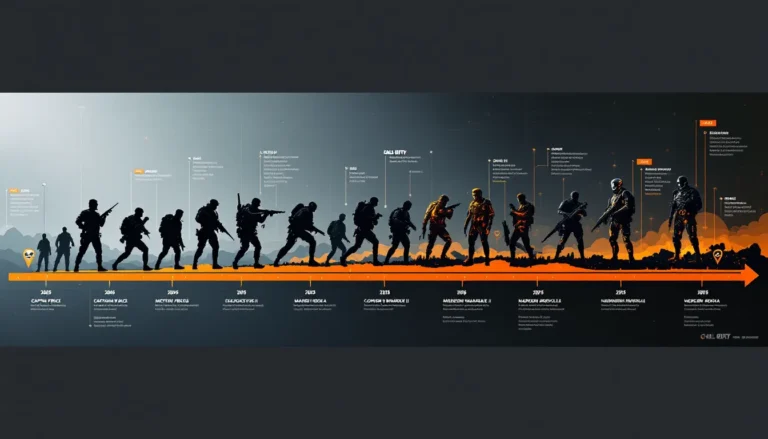
The Ray Gun’s journey mirrors the evolution of Zombies itself, transforming from a rare prize into a multi-variant ecosystem. Understanding its progression helps explain why it remains so dominant and how game balance has shifted over the years.
Classic Era Ray Guns (World At War Through Black Ops 1)
The Ray Gun debuted in World at War’s Nacht der Untoten and immediately became the weapon every player hunted. Back then, Wonder Weapons were scarce, and the Ray Gun’s one-hit kills felt revolutionary. The damage model was straightforward: point, click, watch zombies vaporize. Ammo conservation was critical since Mystery Boxes didn’t spawn infinitely, and running dry meant returning to wall-buys or hoping for another box hit.
Black Ops elevated the Ray Gun with refined mechanics and map design that accommodated wonder weapon gameplay better. The gun remained a high-risk, high-reward play, amazing in skilled hands, dangerous if you wasted ammunition. Reload times were punishing, and the weapon’s clip size demanded precision. Players had to choose: spray and pray, or make every shot count. This era defined the Ray Gun as a finesse weapon that rewarded careful play.
Modern Ray Gun Iterations (Black Ops 2 To Cold War)
Black Ops 2 introduced the Ray Gun Mark II, a logical upgrade that doubled down on the weapon’s identity while adding new strategic layers. Suddenly, players could pursue upgraded variants through specific mechanics, shifting the meta from pure RNG to preparation and map knowledge. This era saw the Ray Gun remain relevant, but competition intensified with other wonder weapons like the Sliquifier and Paralyzer offering different advantages.
Black Ops 3 and Black Ops 4 continued refining the Ray Gun’s role, though the introduction of the Gobblegums system and later Elixirs meant that weapon balance felt less absolute. You could now augment your gameplay with buffs and rerolls, making the Ray Gun feel less critical to success. Still, veterans recognized its raw power and the psychological advantage of securing it early.
Cold War revitalized the Ray Gun with a weapon rework that modernized its handling while preserving its legendary status. The gun hit hard, looked sleek, and fit seamlessly into contemporary Zombies design. This version balanced damage output with fair ammunition consumption, making it viable from early rounds through endgame pushes.
Ray Gun In Recent Titles (Vanguard, Black Ops 6, And Beyond)
Vanguard introduced the Ray Gun with some controversial balance decisions, damage values shifted, and the weapon felt less dominant in the new Outbreak mode. Players debated whether the gun had been nerfed too aggressively or simply needed different usage patterns in a PvE environment that emphasized mobility over stationary defense.
Black Ops 6 brought the Ray Gun back with renewed focus, integrating it into a fresh progression system and introducing new upgrade mechanics. The weapon reclaimed its throne as a top-tier wonder weapon, and community consensus solidified around its effectiveness. Recent patches have fine-tuned damage numbers and reload mechanics, but the core identity remains intact.
Across all iterations, the Ray Gun has survived because Treyarch (and later other studios) understood its cultural significance. It’s not just a weapon, it’s a symbol. Balancing it meant preserving what made it special while preventing it from completely overshadowing other gameplay paths. The ray gun call of duty community debates continue across forums and Discord servers, with players analyzing frame data and DPS calculations to prove their theories about optimal usage.
Ray Gun Stats, Mechanics, And How To Use It Effectively
Raw power means nothing without understanding how to apply it. The Ray Gun’s stats vary by game, but the fundamental mechanics remain consistent enough to develop strategies that translate across titles.
Damage Output And Handling Characteristics
The Ray Gun typically deals 100-150 damage per shot depending on the game version, with splash damage that extends its effective range. In Black Ops 6, for example, a single shot can eliminate 3-5 zombies in lower rounds due to splash effects, while maintaining one-hit kill potential through round 20 or beyond depending on difficulty and perks.
Handling is where the Ray Gun separates itself from standard weapons. The ADS (aim down sights) time is fast, usually 150-200ms, allowing quick target switching. But, the reload time is the trade-off: typically 2.5-3.5 seconds, which feels like an eternity when you’re surrounded. This is why ammunition management becomes a crucial skill. You can’t afford to reload mid-horde: you plan your shots and reposition during reload windows.
The gun’s spread is tight but not zero. At range, the splash damage covers enough area that precision matters less, but in close quarters, you want clean center-mass shots to maximize zombie density in the blast radius. Jumping and strafing while firing maintains accuracy without sacrificing mobility, a technique that separates competent players from struggling ones.
Ammunition Management And Sustainability
Here’s where casual play breaks down and veteran strategy takes over. The Ray Gun isn’t infinite ammo machine: it’s a calculated resource. Starting ammunition is typically 24-40 rounds depending on the game. A single magazine holds 6-8 shots, meaning 3-5 magazines before you’re running on fumes.
Ammo conservation strategies include:
- Selective targeting: Only shoot when you have clear, grouped targets. Don’t spray at lone stragglers.
- Reload timing: Plan reloads during zombie spawning delays, not when the horde is closing in.
- Mystery Box rotation: If your Ray Gun runs dry, hit the box again and hope for another wonder weapon or ammo drop.
- Nuke drops: When you down enough zombies, nuke power-ups appear. These clear the screen without ammo cost, use them to buy breathing room.
- Gun rotation: Swap to wall-buy weapons (often stronger assault rifles or shotguns by mid-rounds) to preserve Ray Gun ammunition for critical moments.
In high-round play (rounds 50+), the Ray Gun becomes a finisher weapon. You soften hordes with primary weapons, then Ray Gun a priority target or clear a tight corner. This discipline is what separates casual players (who empty the mag into a single zombie) from competitive grinders.
Best Playstyles And Loadout Synergies
The Ray Gun pairs best with perks that enhance survivability and weapon efficiency. Juggernog is non-negotiable, extra health lets you tank a hit if ammo runs out. Quick Revive ensures you’re back in the fight faster after going down, and Speed Cola (or its modern equivalents) reduces reload times, partially mitigating the Ray Gun’s biggest weakness.
Secondary weapon selection matters. Pair the Ray Gun with a Knife for close-range stealth kills that preserve ammo, or a Ray Gun Mark II if you unlock the upgrade. Some players prefer a Shotgun as backup, instant TTK (time-to-kill) in melee range. Others choose a Sniper Rifle for long-range efficiency, letting the Ray Gun handle mid-range hordes.
For loadout synergies, consider weapons that complement rather than compete. If you’re running the Ray Gun as your high-damage finisher, grab an AR (Assault Rifle) that handles sustained damage without draining wonder weapon ammo. An SMG provides emergency close-range DPS without burning precious Ray Gun ammunition.
Map positioning amplifies Ray Gun effectiveness. Train zombies in open areas where splash damage covers multiple targets. Avoid tight corridors where you can’t reposition during reloads. Use doorways and choke points to funnel zombies into firing lines. Elevation advantage (rooftops, upper walkways) lets you see the horde incoming and prepare shots in advance rather than reacting to surprise rushes.
How To Obtain The Ray Gun In Zombies Mode
Pulling the Ray Gun requires understanding loot mechanics and optimizing your box-hitting strategy. The process mixes RNG, preparation, and timing.
Mystery Box Mechanics And Probability
The Mystery Box is the primary source for Ray Gun acquisition. Mechanically, it draws from a weapon pool, and the Ray Gun’s pull rate varies by game. In Black Ops 6, the Ray Gun has roughly a 5-8% drop rate on early hits, scaling down slightly as you acquire more weapons. This means you might pull it first box, or you might burn through 20,000 points without seeing it.
Box strategy involves:
- Early farming: Hit the box during the first few rounds when ammunition drops are plentiful. This gives you points for future hits.
- Location rotation: Different maps have multiple box spawns. If one location keeps disappointing, move to another. Box spawns rotate after each pull, so you might avoid a map section entirely.
- Point management: Don’t panic-farm. Strategically farm points during early rounds by letting zombies hit you (with Juggernog active) and reviving teammates. Avoid wasting ammo on low-round zombies.
- Luck acceptance: Some games, the Ray Gun eludes you. That’s the nature of RNG. Accept it and adjust your strategy to alternate wonder weapons or wall-buy weapons.
Box hitting isn’t luck alone, timing and preparation matter. If you enter round three with 1,500 points, you can hit once and hope. If you enter with 5,000 points from smart farming, you have multiple attempts and options.
Map-Specific Locations And Easter Eggs
Some maps hide Ray Gun access behind specific mechanics or Easter eggs. For example, certain Black Ops Cold War maps feature quests that reward weapons directly, bypassing the Mystery Box entirely. These require puzzle-solving or objective completion but guarantee weapon drops.
Other maps have free weapon locations, specific spots where Ray Gun or other wonder weapons spawn without costing points. These are map-specific and often require unlocking certain areas or reaching specific rounds. Knowing these shortcuts separates informed players from those grinding Mystery Boxes endlessly.
Easter egg completions sometimes award wonder weapons as quest rewards. Speedrunners and veteran players farm these routes because they eliminate RNG uncertainty. The trade-off is time investment upfront, but securing a Ray Gun by round 10 through Easter egg completion beats getting lucky on the box by round 8.
Consult community resources like ProSettings or community spreadsheets for map-specific spawn locations and Easter egg routes. Different maps (Die Maschine, Firebase Z, Mauer der Toten, etc.) have unique mechanics, and knowing them turns from “hoping for a box hit” to “executing a prepared strategy.”
Ray Gun Mark II And Ray Gun Genesis: Variants And Upgrades
The standard Ray Gun isn’t the only incarnation. Upgraded variants offer unique advantages, and understanding when to pursue them shapes your entire match strategy.
Unlocking And Utilizing Upgraded Versions
The Ray Gun Mark II is the most recognizable upgrade, available in multiple games through specific mechanics. In Black Ops 2, it requires combining the Ray Gun with a specific power-up in a particular location. In Cold War, it emerges through weapon upgrade tables that transform standard weapons into enhanced versions.
The Mark II typically features:
- Higher damage per shot (often 20-30% more)
- Larger magazine capacity (6-8 shots vs. 4-6 for standard)
- Faster reload times (sometimes up to 30% quicker)
- Enhanced visual effects (more pronounced energy blasts)
Utilizing the Mark II effectively means committing resources to the upgrade path rather than spreading points across the map. If you’re pursuing the Mark II, prioritize reaching the upgrade station or collecting the necessary components. Don’t waste ammunition on casual zombies: preserve your standard Ray Gun for critical moments until you secure the upgrade.
The Ray Gun Genesis (introduced in some Black Ops titles) serves as an alternate variant with different strengths. Instead of pure damage, it might emphasize ammunition efficiency or splash radius. Understanding which variant suits your playstyle matters more than blindly pursuing the highest damage number.
Comparing Standard Versus Enhanced Ray Gun Models
Standard Ray Gun excels at:
- Accessibility (easier to obtain from Mystery Box)
- Ammunition efficiency (lower resource investment to secure)
- Versatility (works in any playstyle without setup)
Ray Gun Mark II dominates in:
- High-round sustainability (better ammo-to-damage ratio)
- Solo play (fewer compromises needed without teammates)
- Late-game pushes (damage output scales better into extreme rounds)
For casual play, the standard Ray Gun is plenty. Pull it from a box, use it wisely, and you’ll survive most early-to-mid-game scenarios. For competitive or high-round attempts, pursuing the Mark II upgrade becomes worthwhile. The extra magazine capacity alone prevents forced reloads mid-horde, which is often the difference between surviving a round and going down.
Recent patches have balanced standard and Mark II versions more closely, reducing the incentive to grind upgrades in every situation. Some speedrunners skip the Mark II entirely and rely on standard Ray Gun + strong wall-buys for their speed routes. This flexibility means you’re not locked into one path, adapt based on your match conditions, available resources, and the specific map you’re playing.
Ray Gun Meta In Competitive And Casual Zombies Play
The Ray Gun’s role in the meta has shifted over years, sometimes dominant, sometimes balanced against other wonder weapons. Understanding its current position helps you build strategies that work in 2026.
High-Round Strategies And Optimization
High-round play (rounds 50+) demands precise Ray Gun usage. At these levels, standard weapons feel underpowered, and wonder weapons become essential. The Ray Gun’s advantage is consistency, it performs predictably across all high-round scenarios. Other wonder weapons might excel in specific situations but falter in others.
Optimization techniques include:
- Training in open areas: Gather large hordes in spacious zones where splash damage covers maximum targets.
- Headshot prioritization: Aim for the zombie’s head to maximize damage efficiency and reduce overkill waste.
- Ammo rotation: Use Ray Gun for dangerous moments (horde breakthroughs), switch to wall-buys for routine clearing.
- Nuke utilization: Let nukes clear the screen while your Ray Gun ammunition regenerates, maintaining sustainability.
- Timing bursts: Fire in short bursts rather than continuous streams, letting reload cycles coincide with zombie spawning delays.
Competitive leaderboards show that most high-round records incorporate Ray Gun as a core weapon. This doesn’t mean it’s mandatory, some players leverage other wonder weapons or pure gun skill with wall-buys, but Ray Gun usage correlates strongly with successful pushes past round 100.
For solo play, the Ray Gun becomes even more critical because you can’t rely on teammates to cover while you reload. The weapon’s one-shot potential and crowd control compensate for the lack of teamwork, making it the preferred wonder weapon for solo grinders chasing personal records.
Community Tier Rankings And Performance Assessments
Community consensus, based on forum discussions, Discord analysis, and gaming reviews, ranks the Ray Gun consistently in the S-tier for wonder weapons. This status reflects its reliability, damage output, and role flexibility across different playstyles.
Comparison to other wonder weapons:
- Packed Wonder Weapons (Shotgun variants): Strong in specific map areas but limited to close range: Ray Gun excels at versatile distances.
- Sniper-type weapons: High damage but punishing reload times and ammunition scarcity: Ray Gun balances power with sustainability better.
- Sliquifier (Black Ops 2): Excellent area control but limited against spawn-trapped hordes: Ray Gun handles everything.
- Pandemic (Black Ops 6): Newer contender with strong crowd control but still lacks Ray Gun’s proven legacy and reliability.
Tier rankings shift with patches. Recent updates to Black Ops 6 slightly reduced Ray Gun damage, moving it from pure S-tier to S-minus, while buffing other weapons like the Thundergun variant. This meta dynamism means recommendations change, what dominated last season might need adjustment this season.
Pro players and content creators on major streaming platforms acknowledge Ray Gun dominance while exploring alternative strategies. Some speedrunners intentionally avoid Ray Gun to prove viability of non-meta routes. Others embrace it as the optimal path and execute perfect Ray Gun runs consistently.
The raygun call of duty community continues debating whether the weapon’s prevalence stifles build diversity or simply reflects genuine superiority. Most agree: if you’re new to Zombies, mastering the Ray Gun gives you the highest success rate. If you’re competitive, understanding Ray Gun mechanics and when to pivot to alternatives proves your complete mastery.
Conclusion
The Call of Duty Ray Gun transcends being just another weapon, it’s the standard against which wonder weapons are measured and the psychological anchor that drives millions of matches forward. From its debut in World at War to its current role in Black Ops 6, the gun has evolved mechanically while retaining the magic that makes pulling it from the Mystery Box feel like winning big.
Whether you’re aiming for early-round comfort, mid-game consistency, or high-round sustainability, the Ray Gun delivers. Its balance of damage, handling, and cultural significance makes it the choice weapon for players across all skill levels. Master its mechanics, ammunition conservation, positioning, reload timing, and you’ve mastered a skill set that translates to other wonder weapons and pure gunplay.
The ray gun remains the benchmark in Call of Duty Zombies, not because it’s overpowered, but because it’s perfectly tuned for the chaos that Zombies creates. Pull one from the Mystery Box, respect its ammunition, and watch as the strategy that separates veterans from new players crystallizes in front of you. That’s what makes the Ray Gun legendary.