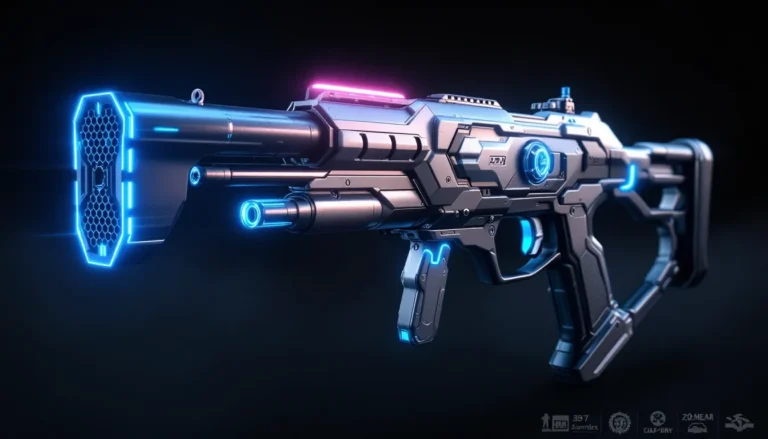
Call of Duty Vanguard Zombies brought the undead back to the franchise with a fresh take on the classic mode, blending narrative depth with intense survival mechanics. Whether you’re a season veteran or picking it up for the first time in 2026, mastering this mode requires understanding map layouts, weapon progression, and round-by-round strategies. This guide breaks down everything you need to dominate, from loadout optimization to advanced training routes that’ll keep you alive deep into high rounds. By the end, you’ll have a solid foundation for solo runs or co-op sessions with friends.
Table of Contents
ToggleKey Takeaways
- Call of Duty Vanguard Zombies features a points-based economy where strategic loadout optimization and Pack-A-Punch weapon upgrades are essential for surviving high rounds (20+).
- Master map layouts and establish consistent training routes—running deliberate loops to bunch zombies—to maintain control and ammunition efficiency in rounds 15 and beyond.
- Prioritize purchasing Jug by round 3 and Speed Cola by round 5; these four core perks (with room for Stamina-Up or Sleight of Hand) define survivability more than any weapon.
- Understanding special zombie types (Juggernauts, Megatons, Catalysts) and their weaknesses prevents run-ending mistakes, especially in coordinated team play where communication separates success from failure.
- Solo play rewards self-sufficiency and map mastery, while co-op demands role definition, revive management, and perk distribution to handle increased spawn rates across 2-4 player squads.
What Is Call Of Duty Vanguard Zombies?
Call of Duty Vanguard Zombies launched as part of the 2021 release, introducing a darker, more grounded tone compared to Black Ops entries. The mode strips away some of the campiness while keeping the core loop intact: survive waves of undead, earn points, purchase weapons and perks, and progress through rounds. Unlike typical multiplayer, this is pure PvE (player versus environment) action where difficulty scales infinitely.
The mode operates on a points-based economy. Killing zombies, whether by headshots, explosions, or melee, generates currency you spend on weapon upgrades, ammunition, and map traversal. Pack-A-Punch machines enhance weapons dramatically, transforming base guns into powerhouses. The real hook? Story-driven quests layered on top of survival mechanics, giving players objectives beyond “survive as long as possible.”
Vanguard Zombies supports up to four-player co-op on all platforms (PS4, PS5, Xbox One, Xbox Series X
|
S, and PC), meaning you can tackle the mode solo for maximum challenge or squad up for shared survival. The difficulty ramps organically, early rounds are forgiving, but by round 30+, you need precision, positioning, and proper loadout planning to avoid getting overwhelmed.
Map Overview And Layout
Key Locations And Choke Points
Vanguard Zombies features multiple maps, with the main one being Shi No Numa (the reimagined classic). The map layout is crucial because positioning directly impacts survival. Key areas include the Barracks (tight, defensible), the Armory (weapon-rich but narrow), and the Docks (open but dangerous). Choke points are your friends, narrow hallways where zombies funneled into tight groups are easier to manage than spread-out hordes in open areas.
The Courtyard connects multiple zones and acts as a major thoroughfare. It’s spacious but offers escape routes when surrounded. Quick Exfil points (used for escape challenges) appear in specific locations, forcing you to hold strong positions under pressure. Learn these spots and practice holding them during early rounds: it pays off when higher rounds hit.
Survival often means pathing intentionally. Don’t run randomly, move between locations that offer both escape routes and weapon spawns. The Pack-A-Punch room is central to any extended run, so map positioning relative to it matters enormously.
Fast Travel And Portal Connections
The Dark Aether portals provide quick traversal between map sections, a lifesaver when you’re low on health and need to rotate positions fast. These aren’t always available initially: you’ll unlock them through main quest progression. Understanding portal locations and which sections they connect prevents panicking when you’re cornered.
Fast travel reduces unnecessary exposure time, letting you reposition strategically rather than sprinting through danger. In later rounds (25+), this becomes essential, wasting movement time means more zombies spawning around you. Map knowledge = survival rate. Spend your first few games exploring, noting portal locations, and practicing routes between weapon spawns and safe zones.
Essential Weapons And Loadout Strategies
Best Starting Weapons And Upgrading
Your starting weapon matters less than you’d think, but it sets the tone. The M1 Garand and Kar98k are solid choices, headshot-focused weapons that net high points early. Avoid spray-and-pray guns like the MP40 initially: they consume ammo faster without the point efficiency. Early points should fund map unlocks and perk purchases, not just weapon swaps.
Once you’ve gathered 500-1000 points, hit the first weapon buy station. Grab a shotgun (utility for close encounters) and a sniper or assault rifle for medium range. By round 5-6, your goal is accessing Pack-A-Punch, the machine that upgrades weapons dramatically, increasing damage, ammo capacity, and adding special effects.
Weapon progression accelerates with each upgrade:
- Base weapon: Standard damage, useful until round 8-10
- Pack-A-Punch Tier 1: 2x-3x damage boost, new ammo type
- Pack-A-Punch Tier 2: Additional damage, increased magazine size, elemental or explosive properties
- Pack-A-Punch Tier 3: Maximum potency, massive ammo reserves, specialized effects
Upgrading one gun to Tier 3 beats spreading points across multiple weapons. Focus fire is more effective than variety.
Pack-A-Punch And Wonder Weapons
The Pack-A-Punch machine costs 5,000 points per upgrade cycle and becomes your primary investment after perks are purchased. Prioritize this over everything else once you hit round 8+. A Tier 2 weapon handles rounds 15-25: Tier 3 carries you into the 30s and beyond.
Wonder Weapons are special guns earned through quests or loot drops. These aren’t replacements for Pack-A-Punch primaries, they’re tactical tools. Examples include the Ray Gun (area denial, instant kill zone) and Wunderwaffe (chain-lightning variant). Most Wonder Weapons have limited ammo, so use them against high-threat targets or when you’re getting overrun. They’re not your primary DPS source: they’re emergency buttons.
Common mistake: players ignore their Pack-A-Punch gun once they get a Wonder Weapon. Don’t do this. Maintain your primary for consistent damage output.
Perks And Power-Ups Explained
Top Tier Perks For Survival
Perks define your survivability more than weapons. Four perk slots are available: fill them strategically. Jug (increases health from 100 to 300) is mandatory, skip it and you’ll regret it after round 10. Speed Cola (faster reloads) is your second priority: reduced reload time directly translates to DPS and survivability when surrounded.
Stamina-Up extends sprint duration, letting you escape hairy situations. In co-op, this keeps you mobile enough to support teammates. Sleight of Hand provides faster weapon swap and reload, overlapping with Speed Cola but stacking bonuses. Quick Revive makes a difference in co-op (revive teammates faster) but solo players should skip it.
Perk preference varies by playstyle:
- Run-and-gun players: Jug, Speed Cola, Stamina-Up, Quick Revive (co-op) or Sleight of Hand (solo)
- Stationary defenders: Jug, Speed Cola, Deadshot Daiquiri (improved accuracy), Sleight of Hand
- Balanced teams: Distribute perks across teammates to cover all bases
Perks cost 2,500 points each. Your first round purchase should grab Jug and Speed Cola, leaving other slots for round 5-7.
Power-Up Effects And Strategic Uses
Power-ups drop from zombies and provide temporary bonuses. Nuke (instant round clear) is pure bonus, grab it whenever it appears. Double Points makes sense early (rounds 3-8) when you’re building your arsenal. Later rounds? Grab it if you’re low on funds, but don’t depend on it.
Insta-Kill grants one-shot eliminations for 30 seconds, turning zombies into point factories. This is gold early when you need points: less valuable late when headshots matter more than instant kills. Max Ammo refills all weapons, use this strategically when ammunition is depleted and you can’t afford a restock.
Carpenter repairs barriers, a quality-of-life bonus that prevents zombie breakthrough through boarded windows. In tight rounds where barrier maintenance matters, this saves lives.
Power-up strategy: Don’t panic-grab them. Let them sit briefly if you’re comfortable: pick them up when they align with your current needs. Wasting Insta-Kill early (when you don’t need the DPS) or Double Points late (when points are plentiful) is inefficient.
Round Progression And Difficulty Scaling
Early Game Survival Tips
Rounds 1-5 are learning phases. Zombies are slow, limited in numbers, and forgiving of mistakes. Use this time to:
- Map navigation: Don’t rush into combat. Walk routes, identify weapon spawns, and note safe zones.
- Point farming: Aim for headshots (double points) and melee kills on weakened zombies (cheap, high-yield).
- Perk purchasing: By round 3, grab Jug. By round 5, add Speed Cola. Don’t cheap out.
- Weapon variety testing: Try different guns and learn what feels good. Preference matters because you’ll use your choice weapon for 20+ rounds.
By round 5, you should have:
- Jug + Speed Cola perks active
- A primary weapon and secondary backup
- ~3,000 points saved for Pack-A-Punch access
Rounds 6-10 are transition phases where zombie counts rise and movement speeds increase. This is when training (running loops to bunch zombies) becomes necessary. Don’t stand still: keep moving, let the horde follow, then pivot and clear.
Mid And Late Game Strategies
Rounds 11-25 require discipline. Zombies hit harder, spawn faster, and special variants appear. Juggernauts (heavily armored) demand sustained DPS or headshots. Megatons (split into two smaller zombies when killed) punish explosive weapons unless you’re prepared.
Prime survival tips for mid-game:
- Ammunition discipline: Don’t spray. Tap-fire or controlled bursts maximize ammo efficiency.
- Positioning: Stay near escape routes. Corners trap you: openings offer sprint-away options.
- Train maintenance: Keep your training loop consistent. Deviation from proven paths gets you caught.
- Pack-A-Punch upgrades: Tier 2 minimum by round 15. Tier 3 by round 20. Non-negotiable.
Rounds 25+ demand near-perfect execution. Zombie spawns are relentless, and mistakes end runs instantly. Your training route becomes autopilot, muscle memory, not conscious thought. This is where hundreds of points vanish between rounds because you’re burning ammo faster than ever.
Extended high-round survival hinges on:
- Route memorization: Running the same path repeatedly, every single round
- Ammunition cycling: Using one weapon per loop section, then swapping to another area’s weapon cache
- Teammate coordination (co-op): Split map coverage, revive management, and synchronized perks
Special Zombies And Boss Encounters
Enemy Types And Weaknesses
Zombies (baseline): Slow, durable at range, weak to headshots. Easy DPS targets.
Sprinters: Faster movement, appear round 8+. More aggressive, demand faster reaction times. Sustained fire or headshots work equally well.
Armored/Juggernauts: Protected by heavy plating. Explosive damage or sustained torso fire required. Headshots are nearly impossible due to helmet coverage. These tank hits, so plan accordingly when they spawn.
Megatons: Split into multiple smaller variants when killed. Explosive weapons worsen the situation (more enemies spawned). Use precision guns or melee for these. Never Pack-A-Punch an explosive weapon without understanding the consequences.
Manglers: Cyber-enhanced zombies wielding mini-guns. Dangerous due to suppressive fire and high damage output. Distance and cover are your friends: they struggle up close.
Catalyst Zombie: Rare elite spawns that buff nearby zombies. Prioritize eliminating these before they support the horde. One Catalyst can turn a manageable wave into a wipe if ignored.
Dealing With Elite And Legendary Variants
Elite variants spawn in higher rounds (20+) with enhanced stats, special resistances, and increased threat. Legendary Zombies are rare, extremely durable, and require burst damage or targeted headshots. Coordinated team fire melts them: solo players need to isolate and duel them.
Strategy against elites:
- Identify threat level: Does this zombie threaten my current position? If yes, prioritize. If no, kite it away.
- Isolate high-threats: Use map geometry to separate dangerous variants from the main horde.
- Burst damage: When facing a Legendary, unload your Pack-A-Punch weapon. Don’t spray: focus fire.
- Retreat if overwhelmed: A living player is more valuable than a kill. Back off, reposition, revive teammates (co-op), and re-engage.
Late-round elite spawns can overwhelm unprepared teams. Communication and loadout adaptability (carrying diverse weapon types for specific counters) separate experienced players from novices.
Quest Lines And Objectives
Main Quest Progression
Vanguard Zombies features an evolving storyline with quest chains that unlock map features, weapons, and progression milestones. The main quest involves awakening crystals, deploying operatives, and uncovering lore. Completing main quest steps unlocks Dark Aether portals and provides narrative context.
Quest steps typically require:
- Eliminating zombies in specific zones: “Get 20 kills in the Barracks” (track progress mid-game)
- Activating ritual sites: Interact with in-map objects during active rounds (risky but necessary)
- Collecting items: Grab hidden intel or components scattered across the map
- Reaching specific round thresholds: Some quests activate only at round 15+
Main quest rewards matter beyond story satisfaction. Completing chains unlocks:
- New weapon blueprints for Pack-A-Punch
- Customization options for operators
- Challenges that grant cosmetics and progression points
- Lore entries (for story enthusiasts)
You don’t need to complete quests for survival, but they’re woven into natural gameplay. By round 10, you’ll likely complete several without intentional grinding.
Side Quests And Hidden Rewards
Side quests are optional objectives scattered throughout rounds. They range from “reach round X without reloading” to “Kill 30 zombies with melee weapons.” Completing side quests grants bonus points, weapon blueprints, and cosmetic rewards.
Notable side quests:
- “Exfil challenges”: Survive to a specific round, then extract via marked portal (risk/reward: exit early for guaranteed rewards or continue for higher round completions)
- “Weapon mastery”: Use specific guns to reach mastery tier (unlock camo blueprints)
- “Survival streaks”: Complete consecutive rounds without perks being lost (co-op focused)
Side quest value depends on playstyle. Casual players enjoy them for variety: competitive players often skip them to focus on survival mechanics. Neither approach is “wrong”, it’s personal preference.
Advanced Tactics For High-Round Gaming
Train Routes And Zombie Management
Training is the core survival skill in rounds 15+. Instead of standing in one spot, you run a deliberate loop, bunching zombies into a tight formation behind you. This concentrates spawns, letting you control the horde’s positioning and manage bullets efficiently.
Effective training routes:
- Perimeter loops: Run the map’s outer edge, letting zombies string along behind you. When surrounded, pivot sharply and open fire into the condensed mass.
- Figure-8 patterns: Navigate through choke points, doubling back to shoot. This prevents accidental dead-ends.
- Bottleneck sequences: Sprint through narrow hallways where only 2-3 zombies fit at once, then dispatch them before the next wave enters.
Key training principles:
- Maintain distance: Stay ahead of your horde. Getting caught means instant damage and panic.
- Know your loop: Practice until it’s muscle memory. Don’t think, execute.
- Reload strategically: Only reload during clear windows (zombies respawning, short pauses between waves).
- Use barriers: Boarded windows slow zombie progression, buying you seconds to breathe and reload.
Zombie management isn’t about killing everything at once, it’s about controlling spawn timing and positioning. A skilled trainer can survive indefinitely by managing spawns, not through raw DPS.
Solo Versus Co-Op Approaches
Solo play demands self-sufficiency. You manage all map rotations, revives yourself (if equipped with Quick Revive), and juggle ammunition/point economy alone. Solo strengths: you control pacing, no teammate dependency, and can learn maps thoroughly.
Solo strategy focuses on:
- Self-reliance: No revives available (unless Quick Revive active). Stay alive first, win second.
- Efficient farming: Max points from minimal engagements. Headshots over body shots, melee over bullets when safe.
- Streamlined routes: Spend minimal time traveling. Know exactly where you’re going.
Co-op play (2-4 players) introduces complexity but adds redundancy. Teammates revive you, split damage, and coordinate fire. Co-op requires communication:
- Define roles: One player farms points, others focus DPS. Rotate responsibilities each round.
- Revive priority: Never leave a teammate down. Get them back in the fight immediately.
- Perk distribution: Ensure coverage, one person grabs Quick Revive, another gets Stamina-Up for support runs.
- Weapon synergy: Spread weapon types. Don’t all run sniper rifles: balance close-range and distance options.
Co-op’s difficulty scales: 4-player teams face more spawns but share the load. Coordination beats raw skill in extended co-op runs. Communication separates experienced squads from random matchmaking disasters.
For Call Of Duty Archives, both playstyles have merit. Solo teaches mechanics: co-op teaches teamwork. Most players excel at one and develop the other over time.
Common Mistakes And How To Avoid Them
Neglecting Jug early: Running rounds without Jug active guarantees early failure once zombie damage scales. Prioritize it by round 3, no exceptions.
Overinvesting in perks: Four perks are optimal: beyond that, diminishing returns kick in. Don’t spend 10,000 points on six perks when that money should upgrade your weapon to Tier 3.
Weapon hoarding: Carrying six weapons wastes points and inventory space. Stick with two: a primary (Pack-A-Punch) and a backup (secondary weapon or Wonder Weapon). Switch between them based on threat.
Ignoring ammunition discipline: Spraying rounds indiscriminately empties magazines in seconds. Tap-fire, use headshots, and reload only during safe windows. Ammunition is a limited resource, especially mid-to-late game.
Panicking and breaking training routes: The most common high-round killer. You get nervous, abandon your proven loop, and get cornered. Stick to the routine. It’s designed to work.
Stationary gameplay: Staying in one location eventually results in being overrun. Zombies spawn infinitely: you can’t defend forever. Keep moving. Always keep moving.
Mismanaging power-ups: Grabbing Insta-Kill in round 20+ wastes its potential. Use power-ups strategically aligned with current needs, not reflexively.
Underestimating special zombies: Megatons, Juggernauts, and Catalysts demand adjusted tactics. Using your standard training route against them fails. Isolate elites, use burst damage, and reposition if overwhelmed.
Solo overreach: Attempting round 40+ without consistent team experience is unrealistic. Build skills progressively. Master round 20, then push 30, then 40+. Incremental improvement beats reckless attempts.
Fortunately, mistakes are learning opportunities. Each wipe teaches something, whether it’s route adjustment, loadout refinement, or pacing discipline. That’s what makes Vanguard Zombies engaging: constant improvement through iteration.
Conclusion
Call of Duty Vanguard Zombies rewards methodical execution, map knowledge, and incremental improvement. Mastering the basics, Jug early, training routes consistently, Pack-A-Punch progression, creates a foundation for extended runs. From there, specialization develops: some players excel at solo grinds, others thrive in coordinated squads. Both paths require discipline and practice.
The mode continues to evolve through updates and seasonal content, so meta recommendations shift. What dominates now may shift with balance patches in future seasons, but core survival principles remain constant: manage resources, control positioning, and stay alive. A solid strategy game within a shooter wrapper, Vanguard Zombies appeals to players seeking challenge beyond multiplayer’s click-and-aim mechanics.
For competitive players pushing leaderboards or casual fans hunting cosmetics and story progression, this guide provides the foundation. Watching experienced streamers on platforms like GameSpot and Game Rant accelerates learning, but practice in-game beats theory. Jump in, fail, adjust, and repeat. That’s the Vanguard Zombies grind, and it’s absolutely worth it.