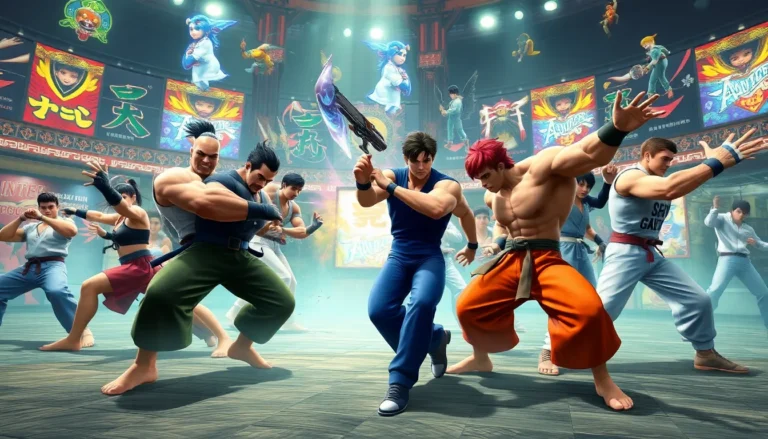
Tekken 8 is set to take the gaming world by storm, not just with its character roster but also thanks to the stages where the battles unfold. Think of stages not merely as backgrounds: they’re the battlegrounds that can make or break a match. Want to know why the right stage could mean the difference between a glorious victory or a dramatic defeat? Let’s jump into the world of Tekken 8’s stages, where the setting is as crucial as the combatants. Trust me, you won’t want to skip this.
Overview of Tekken 8 Stages
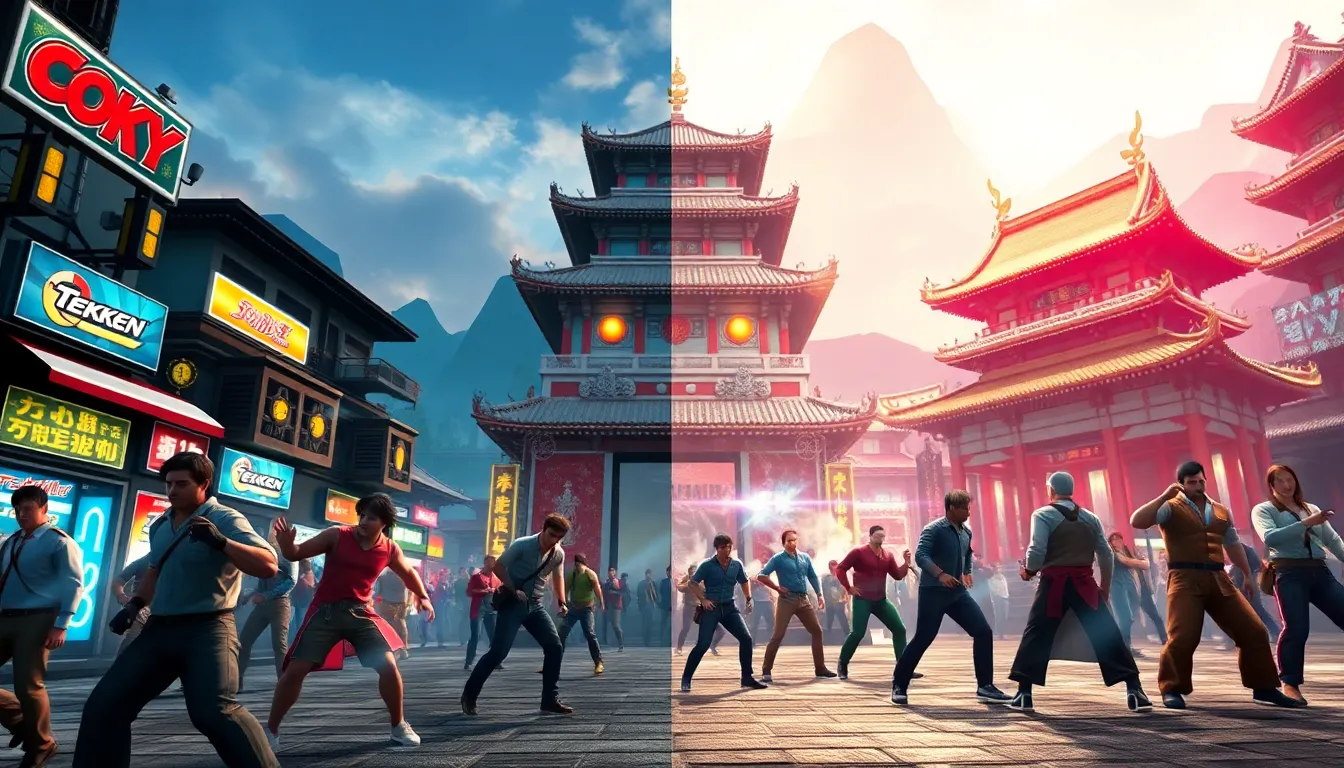
In Tekken 8, stages are more than just a backdrop for intense battles: they are crafted environments that bring each fight to life. Each stage captures the essence of the Tekken universe, showcasing vibrant visuals, dynamic settings, and unique atmospheric effects. From bustling city streets to serene temples, each location contributes to the game’s narrative and offers players a visual feast. They also reflect the diverse cultural influences that have shaped the Tekken series over the years.
One exciting aspect of Tekken 8 is the introduction of stages that seamlessly blend traditional designs with modern aesthetics. Imagine stepping into a blend of nostalgia from previous games combined with breathtaking graphics that highlight the power of next-gen consoles. Players can expect stages that are not only visually breathtaking but also rich in detail, enhancing the immersion in this beloved franchise.
Importance of Stage Design in Fighting Games
Stage design in fighting games goes beyond mere visuals. The right stage can significantly affect gameplay, influencing tactics and strategies. For players, understanding how to use a stage to their advantage is vital. This interaction with the environment provides depth to combat that would otherwise be lost in a more generic setup.
Consider how different stages can favor particular fighting styles. For instance, expansive areas often allow for more mobility, while confined spaces might encourage close-quarters combat. The height differences and layouts in Tekken 8’s stages will undoubtedly influence how players approach a match, pushing them to adapt their strategies accordingly.
Types of Stages in Tekken 8
Tekken 8 presents an eclectic mix of stage types, catering to varied player preferences and strategies. Here are some notable categories:
Classic Stages
Players will find stages that pay homage to past installments. These locations bring a wave of nostalgia while still implementing modern design techniques to make them feel fresh.
Dynamic Stages
Dynamic stages change as the fight progresses. Walls can break, floors can shatter, or the entire arena might change its layout mid-fight, adding an exhilarating unpredictability to each match.
Themed Stages
Themed stages are inspired by different cultures and cinematic elements. Each area is unique and provides a distinct experience, transporting players to new realms where their favorite fighters collide.
Interactive Stages
Some stages contain environmental elements that players can interact with. These can range from item pickups to hazards that affect both fighters, adding another layer of strategy to the gameplay. The interaction makes every fight feel like an evolving experience.
Notable Stages and Their Features
Tekken 8 boasts an array of notable stages, each bringing something special to the table. Here are a few that stand out:
The Industrial Complex
A gritty, urban environment filled with moving machinery and high-tech backgrounds. This stage emphasizes speed and quick maneuvers, offering strategic advantages for agile characters.
The Cliffside Temple
Perched on the edge of a cliff, this stage features stunning visuals that showcase the ocean below. The height advantage here can come into play, with characters able to deliver punishing strikes off the ledges.
The Festival Grounds
Vibrant and colorful, this stage captures a festive atmosphere. The lively music and decorations can be distracting, influencing how players focus during combat. This location is perfect for fighters looking to blend style with substance.
Interactivity and Environmental Hazards
In Tekken 8, interactivity is a game-changer. Many stages come with environmental hazards that can alter combat dynamics considerably. This can involve anything from destructible elements that players can use to their advantage to unpredictable hazards like falling debris that can create sudden openings.
Examples of Hazards
Imagine being able to use elements within the environment, like smashing through a wall to create an opening for a devastating combo. Other stages might have features like lava pits or spike traps that players must navigate around. This strategic play with the environment elevates the experience, making not just occurrences in the ring but also surroundings a pivotal part of fighting strategy.
How Stages Impact Gameplay Strategies
Understanding the influence of stages on gameplay strategy is crucial for aspiring competitors and casual players alike. Each location’s layout and features can dictate the type of tactics effective for that environment.
Adapting Strategies
For example, players may choose to adopt a more aggressive style in smaller, confined stages where close combat is favored. Conversely, larger stages could favor more strategic, evasive maneuvers, allowing skilled players to dance around their opponents.
One effective strategy can be utilizing the stage’s elevations and environmental features to launch opponents effectively. Adapting tactics based on location can provide a significant advantage and often determines the outcome of high-stakes matches.
Future Stages and Community Expectations
As the Tekken series continues to evolve, fans are buzzing with expectations for future stages. Many players hope for a return of beloved classic locales, while others are eager to see innovative designs that push the boundaries of interactive gameplay.
Community Insights
Feedback from the Tekken community often highlights desires for stages that offer fresh mechanics. Many players want their environments not only to look good but also to offer unique challenges and strategic options. How the developers choose to integrate community wishes will be crucial as the game evolves.